Buy pflug.eu ?
We are moving the project
pflug.eu .
Are you interested in purchasing the domain
pflug.eu ?
domain@kv-gmbh.de · 0541-91531010
Buy pflug.eu ?
How can one detoxify microplastics?
One way to detoxify microplastics is through the use of activated charcoal. Activated charcoal has a porous structure that can trap and bind to toxins, including microplastics, and help remove them from the body. Another method is to consume foods and supplements that support the body's natural detoxification processes, such as antioxidants and fiber-rich foods. Additionally, reducing exposure to sources of microplastics, such as single-use plastics and contaminated water, can help prevent further accumulation in the body. **
How can microplastics be made visible?
Microplastics can be made visible through various methods such as using specialized equipment like microscopes or infrared spectroscopy to detect and analyze them. Additionally, researchers can use fluorescent dyes that bind specifically to microplastics, making them easier to see under certain lighting conditions. Another method is filtering water samples and examining the residue left behind, as microplastics will be captured on the filter. Overall, a combination of techniques is often used to effectively visualize and quantify microplastics in different environments. **

Similar search terms for Microplastics
Top-Angebote
Products related to Microplastics:
-
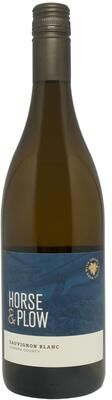
"""Horse & Plow Winery""" """Horse & Plow Winery Sauvignon Blanc 2024 White Wine - California""""""Distinctive and elegant, with transparent and focused flavors of lemon curd, orangeblossom and pomelo set on a light and crisp frame. Delicate details of fresh ginger and lemon verbena linger on the finish. Blend: 100% Sauvignon Blanc"""30,99 $*Shipping: 0,00 $Secure redirect to the provider
-
"""Horse & Plow Winery""" """Horse & Plow Winery Cabernet Franc 2023 Red Wine - California""""""This Cab Franc comes from Rancho Rocoso Vineyard, located cool climate of Bennett Valley. The grapes were picked by hand, fermented with 10% whole cluster and cold soaked for seven days. Horse & Plow fermented each lot in small open-top tanks,..."31,97 $*Shipping: 0,00 $Secure redirect to the provider
-
"""Horse & Plow Winery""" """Horse & Plow Winery Blockhouse Vineyard Grenache 2022 Red Wine - California""""""Light to medium bodied, this fruity, spicy red has juicy notes of raspberry, strawberry, and cherry, wild herbs, a touch of vanilla and cocoa, a soft mouthfeel, and a long finish. Juicy red fruits, crunchy seed spice, and an integration of wild..."33,97 $*Shipping: 0,00 $Secure redirect to the provider
-
"""Horse & Plow Winery""" """Horse & Plow Winery Draft Horse White 2024 White Wine - California""""""Draft Horse White is a blend of varieties from cool climate vineyards in California’s North Coast appellation. We ferment each lot separately, in a mix of neutral French oak and stainless steel, then assemble for an aromatic wine, with rich texture..."24,97 $*Shipping: 0,00 $Secure redirect to the provider


-
How can one make microplastics visible?
Microplastics can be made visible through the use of specialized equipment such as microscopes or infrared cameras. By magnifying the sample, microplastics that are too small to be seen with the naked eye can be identified and counted. Additionally, specific dyes or fluorescent markers can be used to stain the microplastics, making them easier to detect under certain lighting conditions. Sampling techniques such as filtration or sedimentation can also help concentrate microplastics from a larger sample, making them more visible for analysis. **
-
What is in wastewater: microplastics and silicones?
Wastewater can contain microplastics, which are tiny pieces of plastic less than 5mm in size that come from various sources such as personal care products, clothing, and packaging. Silicones are another common component found in wastewater, which are synthetic compounds used in a variety of products like shampoos, conditioners, and cosmetics. Both microplastics and silicones can pose environmental risks as they can accumulate in water bodies, harm aquatic life, and potentially enter the food chain. **
-
What is in the wastewater: microplastics and silicones?
Wastewater can contain microplastics, which are tiny plastic particles that come from a variety of sources such as clothing fibers, packaging materials, and personal care products. These microplastics can enter the wastewater system through activities like washing clothes or using personal care products. Additionally, silicones, which are synthetic polymers often used in personal care products and industrial processes, can also be found in wastewater. Both microplastics and silicones can pose environmental and health risks, making it important to address their presence in wastewater treatment processes. **
-
Do we all have microplastics in our bodies?
Yes, studies have found that microplastics have been detected in human bodies through various means such as in the gut, lungs, and even in placental tissue. These microplastics can enter our bodies through ingestion of contaminated food and water, as well as through inhalation of airborne particles. While the health impacts of microplastics in our bodies are still being studied, it is clear that they are pervasive in the environment and can accumulate in our bodies over time. **


What can be done about microplastics in the oceans?
To address the issue of microplastics in the oceans, several measures can be taken. Firstly, reducing the use of single-use plastics and promoting the use of biodegradable alternatives can help prevent the entry of more plastic into the oceans. Additionally, implementing proper waste management and recycling systems can help reduce the amount of plastic waste that ends up in the oceans. Furthermore, conducting clean-up operations and developing technologies to remove existing microplastics from the oceans can also be effective in mitigating the problem. Finally, raising awareness and educating the public about the impact of microplastics on marine ecosystems can help drive individual and collective action to address the issue. **
What is the difference between primary and secondary microplastics?
Primary microplastics are small plastic particles that are intentionally produced for use in products such as exfoliating scrubs, industrial abrasives, and air blasting. Secondary microplastics are the result of the breakdown of larger plastic items, such as water bottles, packaging materials, and fishing nets, due to weathering, sunlight, and mechanical action. Both types of microplastics can have negative impacts on the environment and wildlife, but primary microplastics are directly introduced into the environment, while secondary microplastics result from the degradation of larger plastic items. **
Top-Angebote
Products related to Microplastics:
-
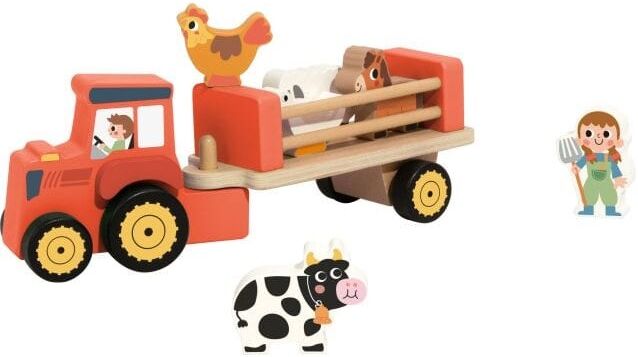
Tooky Toys Wooden Farm Tractor - Wooden - Ages 1-5 - New - UncategorizedThe Tooky Toy Wooden Farm Tractor is built from solid wood with a simple cab and wheels that roll quietly across carpets, wood floors, and play mats. Its rounded edges and smooth, kid-friendly finish make it suitable for toddlers and preschoolers who grasp, push, and mouth toys during play. The uncomplicated design avoids small detachable parts that could come loose. Children use the tractor to haul pretend hay or seed packets, move between block-built barns, or deliver supplies to animal figures. The tractor's proportions suit both solo pushing and integration with other wooden farm sets. To care for the tractor, wipe it with a damp cloth after use and keep it in a cool, dry place away from direct sunlight. Check periodically for any wear before returning to play.11,08 £*Shipping: 3,95 £Secure redirect to the provider
-
"""Horse & Plow Winery""" """Horse & Plow Winery Sauvignon Blanc 2024 White Wine - California""""""Distinctive and elegant, with transparent and focused flavors of lemon curd, orangeblossom and pomelo set on a light and crisp frame. Delicate details of fresh ginger and lemon verbena linger on the finish. Blend: 100% Sauvignon Blanc"""30,99 $*Shipping: 0,00 $Secure redirect to the provider
-
"""Horse & Plow Winery""" """Horse & Plow Winery Cabernet Franc 2023 Red Wine - California""""""This Cab Franc comes from Rancho Rocoso Vineyard, located cool climate of Bennett Valley. The grapes were picked by hand, fermented with 10% whole cluster and cold soaked for seven days. Horse & Plow fermented each lot in small open-top tanks,..."31,97 $*Shipping: 0,00 $Secure redirect to the provider
-
How can one detoxify microplastics?
One way to detoxify microplastics is through the use of activated charcoal. Activated charcoal has a porous structure that can trap and bind to toxins, including microplastics, and help remove them from the body. Another method is to consume foods and supplements that support the body's natural detoxification processes, such as antioxidants and fiber-rich foods. Additionally, reducing exposure to sources of microplastics, such as single-use plastics and contaminated water, can help prevent further accumulation in the body. **
-
How can microplastics be made visible?
Microplastics can be made visible through various methods such as using specialized equipment like microscopes or infrared spectroscopy to detect and analyze them. Additionally, researchers can use fluorescent dyes that bind specifically to microplastics, making them easier to see under certain lighting conditions. Another method is filtering water samples and examining the residue left behind, as microplastics will be captured on the filter. Overall, a combination of techniques is often used to effectively visualize and quantify microplastics in different environments. **
-
How can one make microplastics visible?
Microplastics can be made visible through the use of specialized equipment such as microscopes or infrared cameras. By magnifying the sample, microplastics that are too small to be seen with the naked eye can be identified and counted. Additionally, specific dyes or fluorescent markers can be used to stain the microplastics, making them easier to detect under certain lighting conditions. Sampling techniques such as filtration or sedimentation can also help concentrate microplastics from a larger sample, making them more visible for analysis. **
-
What is in wastewater: microplastics and silicones?
Wastewater can contain microplastics, which are tiny pieces of plastic less than 5mm in size that come from various sources such as personal care products, clothing, and packaging. Silicones are another common component found in wastewater, which are synthetic compounds used in a variety of products like shampoos, conditioners, and cosmetics. Both microplastics and silicones can pose environmental risks as they can accumulate in water bodies, harm aquatic life, and potentially enter the food chain. **
Similar search terms for Microplastics
-
"""Horse & Plow Winery""" """Horse & Plow Winery Blockhouse Vineyard Grenache 2022 Red Wine - California""""""Light to medium bodied, this fruity, spicy red has juicy notes of raspberry, strawberry, and cherry, wild herbs, a touch of vanilla and cocoa, a soft mouthfeel, and a long finish. Juicy red fruits, crunchy seed spice, and an integration of wild..."33,97 $*Shipping: 0,00 $Secure redirect to the provider
-
"""Horse & Plow Winery""" """Horse & Plow Winery Draft Horse White 2024 White Wine - California""""""Draft Horse White is a blend of varieties from cool climate vineyards in California’s North Coast appellation. We ferment each lot separately, in a mix of neutral French oak and stainless steel, then assemble for an aromatic wine, with rich texture..."24,97 $*Shipping: 0,00 $Secure redirect to the provider
-
Harvest Days: My Dream Farm PC Steam Key Code GLOBALHarvest Days: My Dream Farm for PC is a charming farming simulation game, developed by Family Devs and published by Toplitz Productions . Here's a detailed look at what the game offers: Relaxed Farming Experience : Leave behind the hustle and bustle of city life to cultivate and manage your own farm. In this game, you can grow various crops, tend to animals, and enjoy a peaceful countryside life. Open World Exploration : The game features a rich and detailed open world that's full of different environments to explore and secrets to uncover. Extensive Activities : With more than 40 activities, including crafting, fishing, mining, and much more, there's always something to do. Customizable Farm : Create and customize your farm according to your preferences, with a variety of tools, furniture, and decorative items. Eco-Friendly : The game's mechanics promote eco-friendly practices, such as recycling and conservation. Single Player : Enjoy a single-player experience that lets you take things at your own pace without a story mode limiting your freedom. Harvest Days: My Dream Farm provides a cozy and relaxing farming experience, perfect for anyone looking to unwind and enjoy the simple life of a farmer.2,57 £*Shipping: 0,00 £Secure redirect to the provider
-
DK Ultimate Sticker Books Series 6 Books Set (Animals, Bugs, Farm, Sharks, Tractor, Dinosaurs)DK Ultimate Sticker Books Series 6 Books Set (Animals, Bugs, Farm, Sharks, Tractor, Dinosaurs) Titles in this set: The Ultimate Sticker Book: Animals The Ultimate Sticker Book: Bugs The Ultimate Sticker Book: Farm The Ultimate Sticker Book: Sharks The Ultimate Sticker Book: Tractor The Ultimate Sticker Book: Dinosaurs The Ultimate Sticker Book: Animals For kids who love stickers and animals, this is the ultimate sticker book. It's filled with incredible wildlife, from mammals to fish, and over 250 reusable stickers! Little ones will love learning all about their favourite animals and placing the stickers on the pages where they think they should go. The stickers are easy to peel, re-usable, and perfect for little fingers! Ultimate Sticker Book Animals is the perfect way to engage your child with fun facts and interactive reading. The Ultimate Sticker Book: Bugs For kids who love stickers and bugs, this is the ultimate sticker book. It's filled with creepy crawlies, fluttering butterflies, spindly spiders, and over 250 reusable stickers! Little entomologists will love learning all about their favourite insects and peeling the stickers from the back and sticking them all over the book. The stickers are easy to peel, perfect for little fingers! Ultimate Sticker Book: Bugs is the perfect way to engage your child with fun facts and interactive reading. The Ultimate Sticker Book: Farm For kids who love stickers and farm animals, this is the ultimate sticker book. It's filled with turkeys and tractors, pigs and potatoes, and over 250 reusable stickers! Little ones will love learning all about farm life and placing the stickers on the pages where they think they should go. The stickers are easy to peel, re-usable, and perfect for little fingers! The Ultimate Sticker Book: Sharks With fun-filled quizzes, loads of shark facts, and over 250 stickers, this shark book will provide children with hours of educational fun! Travel to the depths of the ocean to learn all about the amazing sharks that live in the deep. This colourful children's activity book contains reusable and easy-to-peel stickers - perfect for little fingers to add to pages as they read and learn! The Ultimate Sticker Book: Tractor This is the ultimate sticker book for kids who love stickers and tractors. It's filled with big and noisy farm vehicles, trucks and diggers, and over 250 reusable stickers! Kids will love these unusual types of machines, and will love placing the stickers on the different tractors, or even on their own belongings! The stickers are reusable, and easy for little fingers to peel off the pages. Ultimate Sticker Book Tractor is the perfect way to engage your child with fun facts and interactive reading. The Ultimate Sticker Book: Dinosaurs With fun-filled quizzes, loads of dinosaur facts, and over 250 stickers, this dinosaur book will provide children with hours of educational fun! Travel millions of years back in time to learn all about the amazing dinosaurs that lived...14,99 £*Shipping: 2,99 £Secure redirect to the provider
-
What is in the wastewater: microplastics and silicones?
Wastewater can contain microplastics, which are tiny plastic particles that come from a variety of sources such as clothing fibers, packaging materials, and personal care products. These microplastics can enter the wastewater system through activities like washing clothes or using personal care products. Additionally, silicones, which are synthetic polymers often used in personal care products and industrial processes, can also be found in wastewater. Both microplastics and silicones can pose environmental and health risks, making it important to address their presence in wastewater treatment processes. **
-
Do we all have microplastics in our bodies?
Yes, studies have found that microplastics have been detected in human bodies through various means such as in the gut, lungs, and even in placental tissue. These microplastics can enter our bodies through ingestion of contaminated food and water, as well as through inhalation of airborne particles. While the health impacts of microplastics in our bodies are still being studied, it is clear that they are pervasive in the environment and can accumulate in our bodies over time. **
-
What can be done about microplastics in the oceans?
To address the issue of microplastics in the oceans, several measures can be taken. Firstly, reducing the use of single-use plastics and promoting the use of biodegradable alternatives can help prevent the entry of more plastic into the oceans. Additionally, implementing proper waste management and recycling systems can help reduce the amount of plastic waste that ends up in the oceans. Furthermore, conducting clean-up operations and developing technologies to remove existing microplastics from the oceans can also be effective in mitigating the problem. Finally, raising awareness and educating the public about the impact of microplastics on marine ecosystems can help drive individual and collective action to address the issue. **
-
What is the difference between primary and secondary microplastics?
Primary microplastics are small plastic particles that are intentionally produced for use in products such as exfoliating scrubs, industrial abrasives, and air blasting. Secondary microplastics are the result of the breakdown of larger plastic items, such as water bottles, packaging materials, and fishing nets, due to weathering, sunlight, and mechanical action. Both types of microplastics can have negative impacts on the environment and wildlife, but primary microplastics are directly introduced into the environment, while secondary microplastics result from the degradation of larger plastic items. **
* All prices are inclusive of VAT and, if applicable, plus shipping costs. The offer information is based on the details provided by the respective shop and is updated through automated processes. Real-time updates do not occur, so deviations can occur in individual cases. ** Note: Parts of this content were created by AI.