Buy pflug.eu ?
We are moving the project
pflug.eu .
Are you interested in purchasing the domain
pflug.eu ?
domain@kv-gmbh.de · 0541-91531010
Buy pflug.eu ?
What is conventional agriculture?
Conventional agriculture refers to the traditional method of farming that relies heavily on synthetic fertilizers, pesticides, and herbicides to maximize crop yields. It often involves monoculture, where a single crop is grown on a large scale, and mechanized farming practices. While conventional agriculture has helped increase food production to meet the demands of a growing population, it has also been criticized for its negative impacts on the environment, such as soil degradation, water pollution, and loss of biodiversity. **
What is the dilemma of conventional agriculture?
The dilemma of conventional agriculture lies in its heavy reliance on synthetic fertilizers, pesticides, and herbicides, which can have negative impacts on the environment, human health, and biodiversity. Additionally, conventional agriculture often involves monocropping, which can lead to soil degradation and loss of natural habitats. Furthermore, the use of genetically modified organisms (GMOs) in conventional agriculture raises concerns about the long-term effects on ecosystems and human health. As a result, there is a growing need to transition towards more sustainable and environmentally friendly agricultural practices. **

Similar search terms for Conventional
Top-Angebote
Products related to Conventional:
-
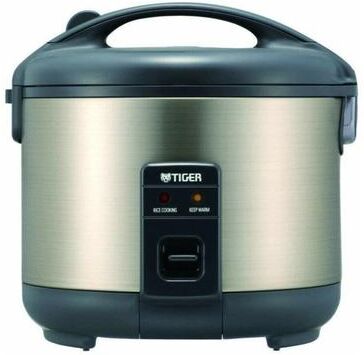
Tiger Stainless Steel 8-Cup Conventional Rice Cooker (Urban Satin)Cook perfect, fluffy rice every time with the Tiger Stainless Steel Urban Satin 8-Cup Conventional Rice Cooker. This powerful cooker can prepare from 3 to 8 cups of rice at a time..154,99 $*Shipping: 0,00 $Secure redirect to the provider
-
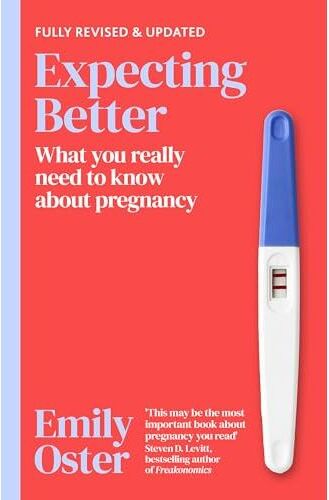
Orion Expecting Better: Why the Conventional Pregnancy Wisdom is Wrong and What You Really Need to KnowAward-winning Emily Oster debunks myths about pregnancy to empower women while they're expecting. Pregnant women are often treated as if they were children, given long lists of items to avoid - alcohol, caffeine, sushi - without any real explanation from their doctors about why. They hear frightening and contradictory myths about everything from weight gain to sleeping on your back to bed rest from friends and pregnancy books. In EXPECTING BETTER, Oster shows that the information given to pregnant women is sometimes wrong and almost always oversimplified. EXPECTING BETTER overturns standard recommendations for alcohol, caffeine, sushi, bed rest and induction, while putting in context the blanket guidelines for fetal testing, weight gain, risks of pregnancy over the age of 35, and nausea, among others. Oster offers the real-world advice one would never get at the doctor's office. Knowing that the health of your baby is paramount, readers can know more and worry less. Having the numbers is a tremendous relief - and so is the occasional glass of wine.4,99 £*Shipping: 1,99 £Secure redirect to the provider
-
Orion Expecting Better Why the Conventional Pregnancy Wisdom, Give Birth Like a Feminist 2 Books Collection SetExpecting Better Why the Conventional Pregnancy Wisdom, Give Birth Like a Feminist 2 Books Collection Set Expecting Better: Why the Conventional Pregnancy Wisdom is Wrong and What You Really Need to Know Award-winning Emily Oster debunks myths about pregnancy to empower women while they're expecting. Pregnant women are often treated as if they were children, given long lists of items to avoid - alcohol, caffeine, sushi - without any real explanation from their doctors about why. They hear frightening and contradictory myths about everything from weight gain to sleeping on your back to bed rest from friends and pregnancy books. In EXPECTING BETTER, Oster shows that the information given to pregnant women is sometimes wrong and almost always oversimplified. EXPECTING BETTER overturns standard recommendations for alcohol, caffeine, sushi, bed rest and induction, while putting in context the blanket guidelines for fetal testing, weight gain, risks of pregnancy over the age of 35, and nausea, among others. Oster offers the real-world advice one would never get at the doctor's office. Knowing that the health of your baby is paramount, readers can know more and worry less. Having the numbers is a tremendous relief - and so is the occasional glass of wine Give Birth Like a Feminist Give Birth Like a Feminist: Your body. Your baby. Your choices Description As featured on BBC Radio 5 Live Birth is a feminist issue. Its the feminist issue nobody talking about. For too long women have been told; a healthy baby is all that matters. This book dares to say women matter too. Finally blasting the feminist spotlight into the labour ward; Milli Hill encourages women everywhere to stand and deliver; insisting that birth is no longer left off the list in discussions about female power; control and agency. From the importance of birth plans to your human rights in childbirth; and including birth stories from women across the world; this call-to-arms will help you find your voice; take an active role in your choices; and change the way you think about childbirth8,49 £*Shipping: 2,99 £Secure redirect to the provider
-
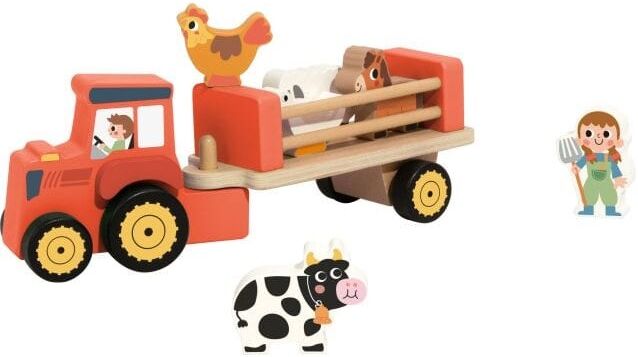
Tooky Toys Wooden Farm Tractor - Wooden - Ages 1-5 - New - UncategorizedThe Tooky Toy Wooden Farm Tractor is built from solid wood with a simple cab and wheels that roll quietly across carpets, wood floors, and play mats. Its rounded edges and smooth, kid-friendly finish make it suitable for toddlers and preschoolers who grasp, push, and mouth toys during play. The uncomplicated design avoids small detachable parts that could come loose. Children use the tractor to haul pretend hay or seed packets, move between block-built barns, or deliver supplies to animal figures. The tractor's proportions suit both solo pushing and integration with other wooden farm sets. To care for the tractor, wipe it with a damp cloth after use and keep it in a cool, dry place away from direct sunlight. Check periodically for any wear before returning to play.11,08 £*Shipping: 3,95 £Secure redirect to the provider

-
What is the difference between organic and conventional agriculture?
Organic agriculture focuses on using natural methods to grow crops and raise livestock, without the use of synthetic pesticides, fertilizers, or genetically modified organisms. It also emphasizes soil health and biodiversity. Conventional agriculture, on the other hand, relies on synthetic inputs such as chemical pesticides and fertilizers, and may use genetically modified organisms. Conventional agriculture often prioritizes high yields and efficiency over environmental and long-term sustainability. **
-
What are the advantages and disadvantages of conventional agriculture?
Conventional agriculture has the advantage of high productivity due to the use of synthetic fertilizers, pesticides, and machinery. This allows for large-scale production and consistent supply of food. However, the disadvantages include environmental degradation from chemical runoff, soil erosion, and loss of biodiversity. Conventional agriculture also relies heavily on non-renewable resources and can contribute to climate change through greenhouse gas emissions. Additionally, the use of chemicals can have negative impacts on human health and the quality of the food produced. **
-
Why is there conventional agriculture in the first place?
Conventional agriculture exists because it has historically been the most widely practiced method of farming. It is based on the use of synthetic fertilizers, pesticides, and other chemical inputs to maximize crop yields. This approach was developed in response to the need to feed a growing global population and to increase food production efficiency. While conventional agriculture has been successful in increasing yields, it has also led to negative environmental impacts such as soil degradation, water pollution, and loss of biodiversity. Despite these drawbacks, conventional agriculture continues to be prevalent due to its widespread adoption and the influence of agribusiness interests. **
-
How can conventional and organic agriculture be compared in a presentation?
In a presentation comparing conventional and organic agriculture, one can highlight the differences in farming practices, such as the use of synthetic pesticides and fertilizers in conventional agriculture versus natural methods in organic farming. The environmental impacts of each method can be discussed, with conventional agriculture often criticized for its contribution to soil degradation and water pollution, while organic agriculture is praised for its focus on sustainability and biodiversity. Additionally, the health implications of consuming food produced through these different methods can be explored, with organic agriculture being favored for its avoidance of synthetic chemicals. Overall, the presentation can emphasize the contrasting approaches to farming and their respective effects on the environment, human health, and sustainability. **

What are the advantages and disadvantages of conventional and organic agriculture?
Conventional agriculture typically yields higher crop production due to the use of synthetic fertilizers and pesticides. However, these chemicals can have negative impacts on the environment, such as soil degradation and water pollution. On the other hand, organic agriculture promotes soil health and biodiversity, and produces food without synthetic chemicals. However, organic farming often has lower yields and can be more labor-intensive, leading to higher production costs. **
What does conventional mean?
Conventional refers to something that is based on or in accordance with what is generally done or believed. It can also refer to something that is traditional or customary. In a broader sense, conventional can also refer to something that is typical or standard within a particular context or field. **
Top-Angebote
Products related to Conventional:
-
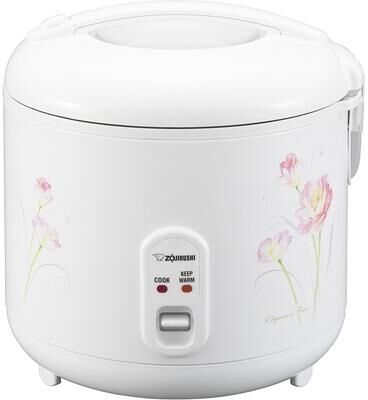
Zojirushi Automatic Conventional Rice CookerMake cooking rice a breeze with this automatic conventional rice cooker. It features an easy one-touch operation and a lid that locks tight. It has a built-in handle that makes it easy to open and close the rice cooker.179,99 $*Shipping: 0,00 $Secure redirect to the provider
-
Naturgreen Conventional Nutritional Yeast 150 grNutrition and Supplements Algae, Mushrooms and Medicinal Fungi Naturgreen Conventional Nutritional Yeast 150 gr Flakes of inactive nutritional yeast (Saccharomyces cerevisiae) with a high content of B12. How to use: You can add one or two tablespoons to your dishes: sauces, salads, pasta or pizza, you can even sprinkle a little when making the typical popcorn. Due to its flavor and similarity to grated cheese, it can be a good substitute in some recipes. Nutritional benefits: 100% plant-based – Lactose-free, Low salt content, Packaged in a protective atmosphere, Vegan product, No added sugars, Gluten-free, Egg-free, Milk protein-free5,53 £*Shipping: 3,99 £Secure redirect to the provider
-
Tiger Stainless Steel 8-Cup Conventional Rice Cooker (Urban Satin)Cook perfect, fluffy rice every time with the Tiger Stainless Steel Urban Satin 8-Cup Conventional Rice Cooker. This powerful cooker can prepare from 3 to 8 cups of rice at a time..154,99 $*Shipping: 0,00 $Secure redirect to the provider
-
Orion Expecting Better: Why the Conventional Pregnancy Wisdom is Wrong and What You Really Need to KnowAward-winning Emily Oster debunks myths about pregnancy to empower women while they're expecting. Pregnant women are often treated as if they were children, given long lists of items to avoid - alcohol, caffeine, sushi - without any real explanation from their doctors about why. They hear frightening and contradictory myths about everything from weight gain to sleeping on your back to bed rest from friends and pregnancy books. In EXPECTING BETTER, Oster shows that the information given to pregnant women is sometimes wrong and almost always oversimplified. EXPECTING BETTER overturns standard recommendations for alcohol, caffeine, sushi, bed rest and induction, while putting in context the blanket guidelines for fetal testing, weight gain, risks of pregnancy over the age of 35, and nausea, among others. Oster offers the real-world advice one would never get at the doctor's office. Knowing that the health of your baby is paramount, readers can know more and worry less. Having the numbers is a tremendous relief - and so is the occasional glass of wine.4,99 £*Shipping: 1,99 £Secure redirect to the provider
-
What is conventional agriculture?
Conventional agriculture refers to the traditional method of farming that relies heavily on synthetic fertilizers, pesticides, and herbicides to maximize crop yields. It often involves monoculture, where a single crop is grown on a large scale, and mechanized farming practices. While conventional agriculture has helped increase food production to meet the demands of a growing population, it has also been criticized for its negative impacts on the environment, such as soil degradation, water pollution, and loss of biodiversity. **
-
What is the dilemma of conventional agriculture?
The dilemma of conventional agriculture lies in its heavy reliance on synthetic fertilizers, pesticides, and herbicides, which can have negative impacts on the environment, human health, and biodiversity. Additionally, conventional agriculture often involves monocropping, which can lead to soil degradation and loss of natural habitats. Furthermore, the use of genetically modified organisms (GMOs) in conventional agriculture raises concerns about the long-term effects on ecosystems and human health. As a result, there is a growing need to transition towards more sustainable and environmentally friendly agricultural practices. **
-
What is the difference between organic and conventional agriculture?
Organic agriculture focuses on using natural methods to grow crops and raise livestock, without the use of synthetic pesticides, fertilizers, or genetically modified organisms. It also emphasizes soil health and biodiversity. Conventional agriculture, on the other hand, relies on synthetic inputs such as chemical pesticides and fertilizers, and may use genetically modified organisms. Conventional agriculture often prioritizes high yields and efficiency over environmental and long-term sustainability. **
-
What are the advantages and disadvantages of conventional agriculture?
Conventional agriculture has the advantage of high productivity due to the use of synthetic fertilizers, pesticides, and machinery. This allows for large-scale production and consistent supply of food. However, the disadvantages include environmental degradation from chemical runoff, soil erosion, and loss of biodiversity. Conventional agriculture also relies heavily on non-renewable resources and can contribute to climate change through greenhouse gas emissions. Additionally, the use of chemicals can have negative impacts on human health and the quality of the food produced. **
Similar search terms for Conventional
-
Orion Expecting Better Why the Conventional Pregnancy Wisdom, Give Birth Like a Feminist 2 Books Collection SetExpecting Better Why the Conventional Pregnancy Wisdom, Give Birth Like a Feminist 2 Books Collection Set Expecting Better: Why the Conventional Pregnancy Wisdom is Wrong and What You Really Need to Know Award-winning Emily Oster debunks myths about pregnancy to empower women while they're expecting. Pregnant women are often treated as if they were children, given long lists of items to avoid - alcohol, caffeine, sushi - without any real explanation from their doctors about why. They hear frightening and contradictory myths about everything from weight gain to sleeping on your back to bed rest from friends and pregnancy books. In EXPECTING BETTER, Oster shows that the information given to pregnant women is sometimes wrong and almost always oversimplified. EXPECTING BETTER overturns standard recommendations for alcohol, caffeine, sushi, bed rest and induction, while putting in context the blanket guidelines for fetal testing, weight gain, risks of pregnancy over the age of 35, and nausea, among others. Oster offers the real-world advice one would never get at the doctor's office. Knowing that the health of your baby is paramount, readers can know more and worry less. Having the numbers is a tremendous relief - and so is the occasional glass of wine Give Birth Like a Feminist Give Birth Like a Feminist: Your body. Your baby. Your choices Description As featured on BBC Radio 5 Live Birth is a feminist issue. Its the feminist issue nobody talking about. For too long women have been told; a healthy baby is all that matters. This book dares to say women matter too. Finally blasting the feminist spotlight into the labour ward; Milli Hill encourages women everywhere to stand and deliver; insisting that birth is no longer left off the list in discussions about female power; control and agency. From the importance of birth plans to your human rights in childbirth; and including birth stories from women across the world; this call-to-arms will help you find your voice; take an active role in your choices; and change the way you think about childbirth8,49 £*Shipping: 2,99 £Secure redirect to the provider
-
Tooky Toys Wooden Farm Tractor - Wooden - Ages 1-5 - New - UncategorizedThe Tooky Toy Wooden Farm Tractor is built from solid wood with a simple cab and wheels that roll quietly across carpets, wood floors, and play mats. Its rounded edges and smooth, kid-friendly finish make it suitable for toddlers and preschoolers who grasp, push, and mouth toys during play. The uncomplicated design avoids small detachable parts that could come loose. Children use the tractor to haul pretend hay or seed packets, move between block-built barns, or deliver supplies to animal figures. The tractor's proportions suit both solo pushing and integration with other wooden farm sets. To care for the tractor, wipe it with a damp cloth after use and keep it in a cool, dry place away from direct sunlight. Check periodically for any wear before returning to play.11,08 £*Shipping: 3,95 £Secure redirect to the provider
-
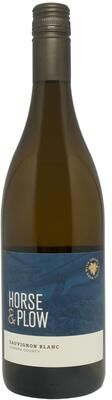
"""Horse & Plow Winery""" """Horse & Plow Winery Sauvignon Blanc 2024 White Wine - California""""""Distinctive and elegant, with transparent and focused flavors of lemon curd, orangeblossom and pomelo set on a light and crisp frame. Delicate details of fresh ginger and lemon verbena linger on the finish. Blend: 100% Sauvignon Blanc"""30,99 $*Shipping: 0,00 $Secure redirect to the provider
-
"""Horse & Plow Winery""" """Horse & Plow Winery Cabernet Franc 2023 Red Wine - California""""""This Cab Franc comes from Rancho Rocoso Vineyard, located cool climate of Bennett Valley. The grapes were picked by hand, fermented with 10% whole cluster and cold soaked for seven days. Horse & Plow fermented each lot in small open-top tanks,..."31,97 $*Shipping: 0,00 $Secure redirect to the provider
-
Why is there conventional agriculture in the first place?
Conventional agriculture exists because it has historically been the most widely practiced method of farming. It is based on the use of synthetic fertilizers, pesticides, and other chemical inputs to maximize crop yields. This approach was developed in response to the need to feed a growing global population and to increase food production efficiency. While conventional agriculture has been successful in increasing yields, it has also led to negative environmental impacts such as soil degradation, water pollution, and loss of biodiversity. Despite these drawbacks, conventional agriculture continues to be prevalent due to its widespread adoption and the influence of agribusiness interests. **
-
How can conventional and organic agriculture be compared in a presentation?
In a presentation comparing conventional and organic agriculture, one can highlight the differences in farming practices, such as the use of synthetic pesticides and fertilizers in conventional agriculture versus natural methods in organic farming. The environmental impacts of each method can be discussed, with conventional agriculture often criticized for its contribution to soil degradation and water pollution, while organic agriculture is praised for its focus on sustainability and biodiversity. Additionally, the health implications of consuming food produced through these different methods can be explored, with organic agriculture being favored for its avoidance of synthetic chemicals. Overall, the presentation can emphasize the contrasting approaches to farming and their respective effects on the environment, human health, and sustainability. **
-
What are the advantages and disadvantages of conventional and organic agriculture?
Conventional agriculture typically yields higher crop production due to the use of synthetic fertilizers and pesticides. However, these chemicals can have negative impacts on the environment, such as soil degradation and water pollution. On the other hand, organic agriculture promotes soil health and biodiversity, and produces food without synthetic chemicals. However, organic farming often has lower yields and can be more labor-intensive, leading to higher production costs. **
-
What does conventional mean?
Conventional refers to something that is based on or in accordance with what is generally done or believed. It can also refer to something that is traditional or customary. In a broader sense, conventional can also refer to something that is typical or standard within a particular context or field. **
* All prices are inclusive of VAT and, if applicable, plus shipping costs. The offer information is based on the details provided by the respective shop and is updated through automated processes. Real-time updates do not occur, so deviations can occur in individual cases. ** Note: Parts of this content were created by AI.